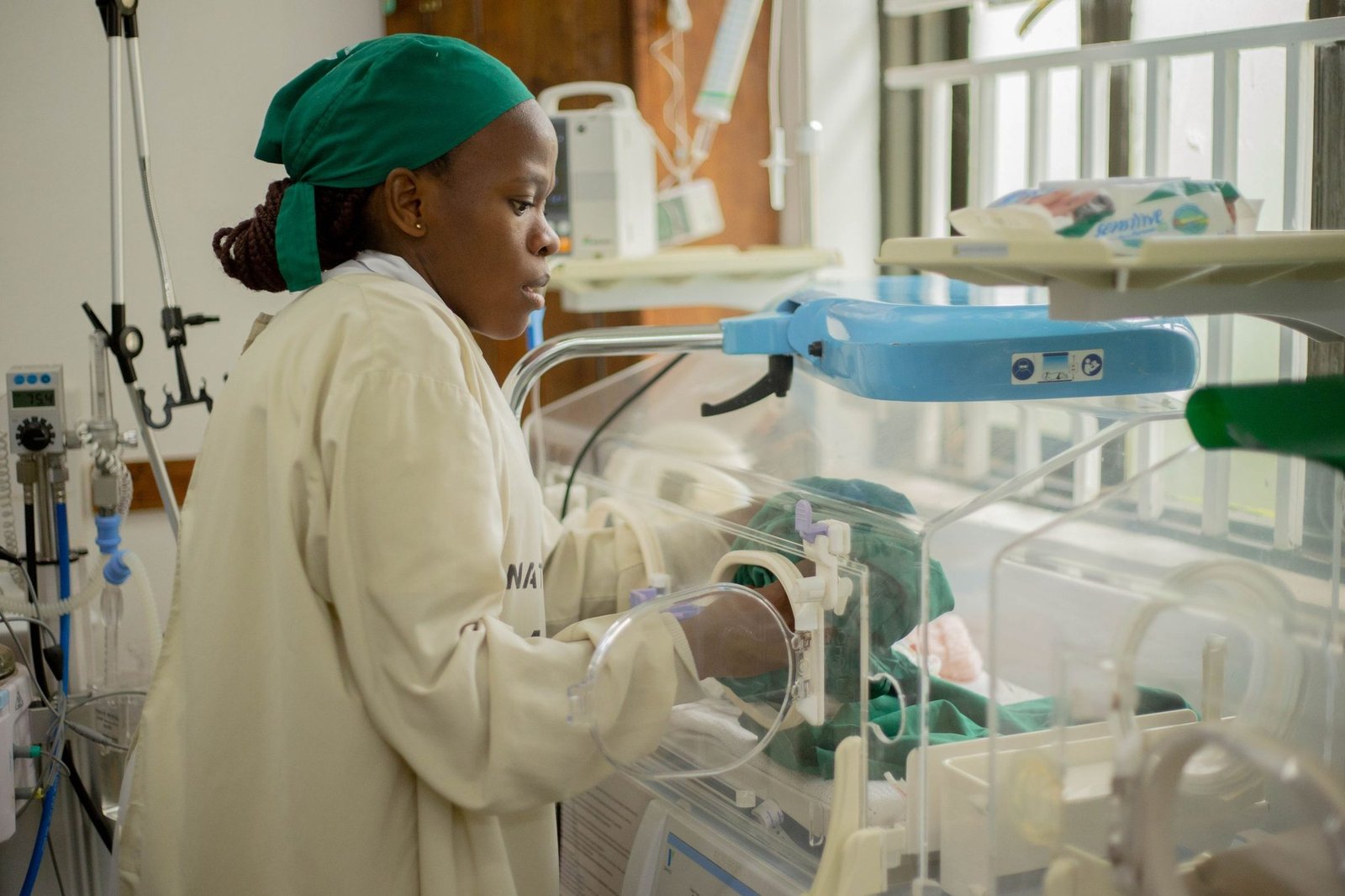
medical check ups
Recognised as a world renowned institution. consult our doctors by visiting us.
Explore our clinic services and prepare a visit enquiry.

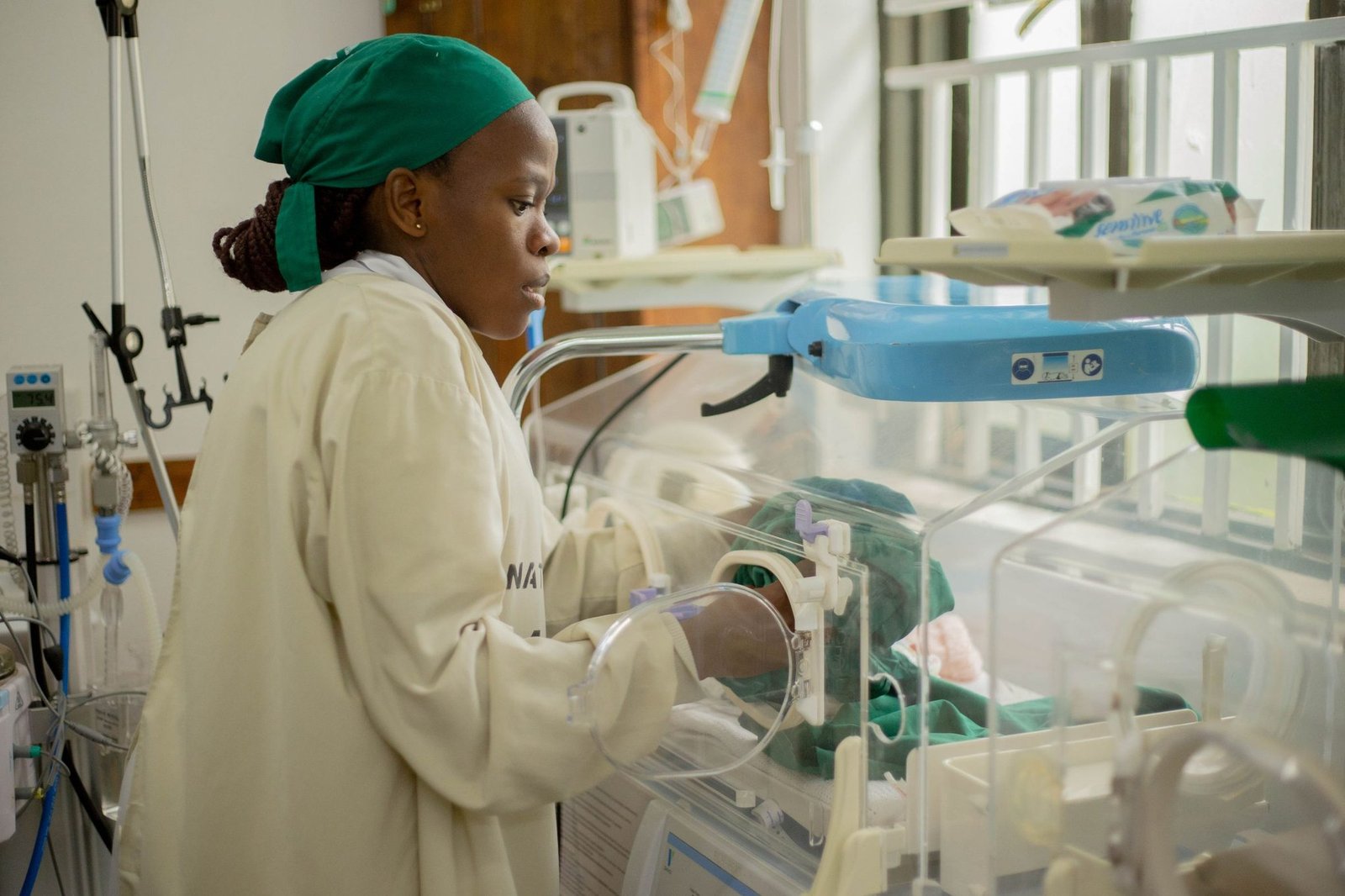
The particular substances to be analysed are the focus of the monitoring program at Step 3 of the Water Quality Management Framework. They may have been identified in generic terms during the study design, but now the individual compounds need to be decided on, and possible methods of determination need to be considered before planning the laboratory program.
The analytes will determine many of the decisions involved in laboratory analyses: for example, how to obtain good quality data (method and equipment), how to protect the health and safety of workers, and how much this stage of the monitoring program will cost.
The selection of an analytical method for waters, sediments or biota will largely depend on the information and management needs of those undertaking the investigation, and on the analytes themselves. However, limitations such as the financial resources available, laboratory resources, speed of analyses required, matrix type and contamination potential, are also important factors.
Today the hospital is recognised as a world renowned institution, not only providing outstanding care and treatment, but improving the outcomes for all through a comprehensive medical research. For over 20 years, our hospital has touched lives of millions of people, and provide care and treatment for the sickest in our community including rehabilitation and aged care.
Recognised as a world renowned institution. consult our doctors by visiting us.
Free or low cost coverage adults with limited income institution recognised.
Contact our reception with any medical enquiry for low cost coverage adults.
All medical aspects practice for family, our reception staff with any medical enquiry.
We help create a care plan that addresses your specific condition and we are here to answer all of your questions & acknowledge your concerns. Today the hospital is recognised as a world renowned institution, not only providing outstanding care and treatment, but improving the outcomes.
We will work with you to develop individualised care plans, including management of chronic diseases. If we cannot assist, we can provide referrals or advice about the type of practitioner you require. We treat all enquiries sensitively and in the strictest confidence.
We provide all aspects of medical practice for your whole family, including general check-ups or assisting with specific injuries.
Our administration and support staff all have exceptional people skills and trained to assist you with all medical enquiries. Doctors will be available from 8 am : 12 am , kindly call to confirm your Appointment.